04 / ACOUSTIC DATA VISUALIZATION & SERVICE DESIGN
Sound of Nowhere.
Making the Invisible Audible and Visible.
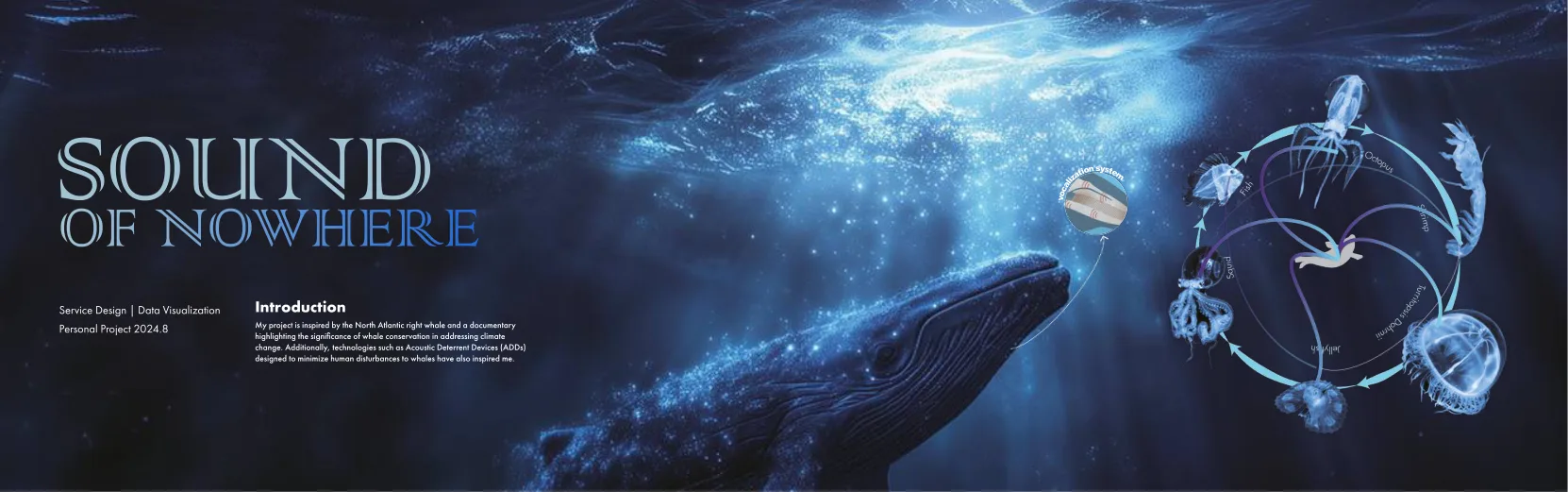
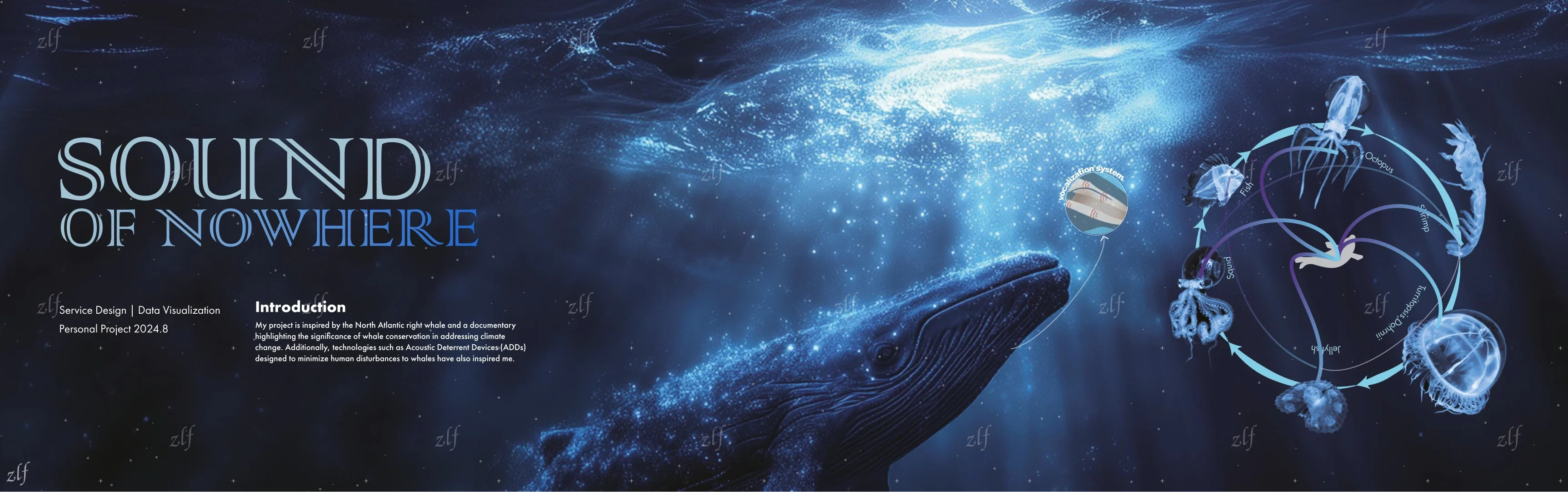
Inspired by the North Atlantic right whale, this project explores how underwater sound can help us understand marine life. Through TouchDesigner, acoustic data visualization, and particle simulation, I developed a digital habitat model and an immersive exhibition concept that translate invisible sound into a visual and spatial experience.
- Research & Strategy
- Environmental Research
- System Design
- Service Design
- Data & Visualization
- Acoustic Visualization
- 3D Data Visualization
- Scientific Interface Design
- Creative Technology
- TouchDesigner
- Particle Simulation
- Exhibition Design
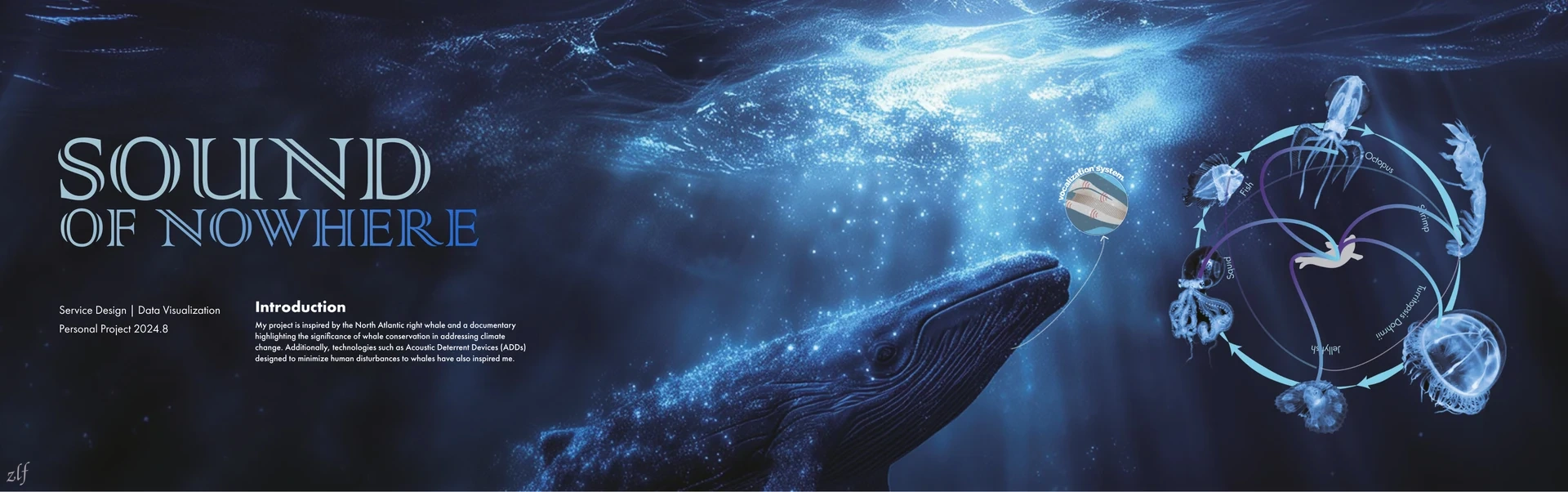
ACT I — THE LIVING OCEAN
The Invisible Ocean.
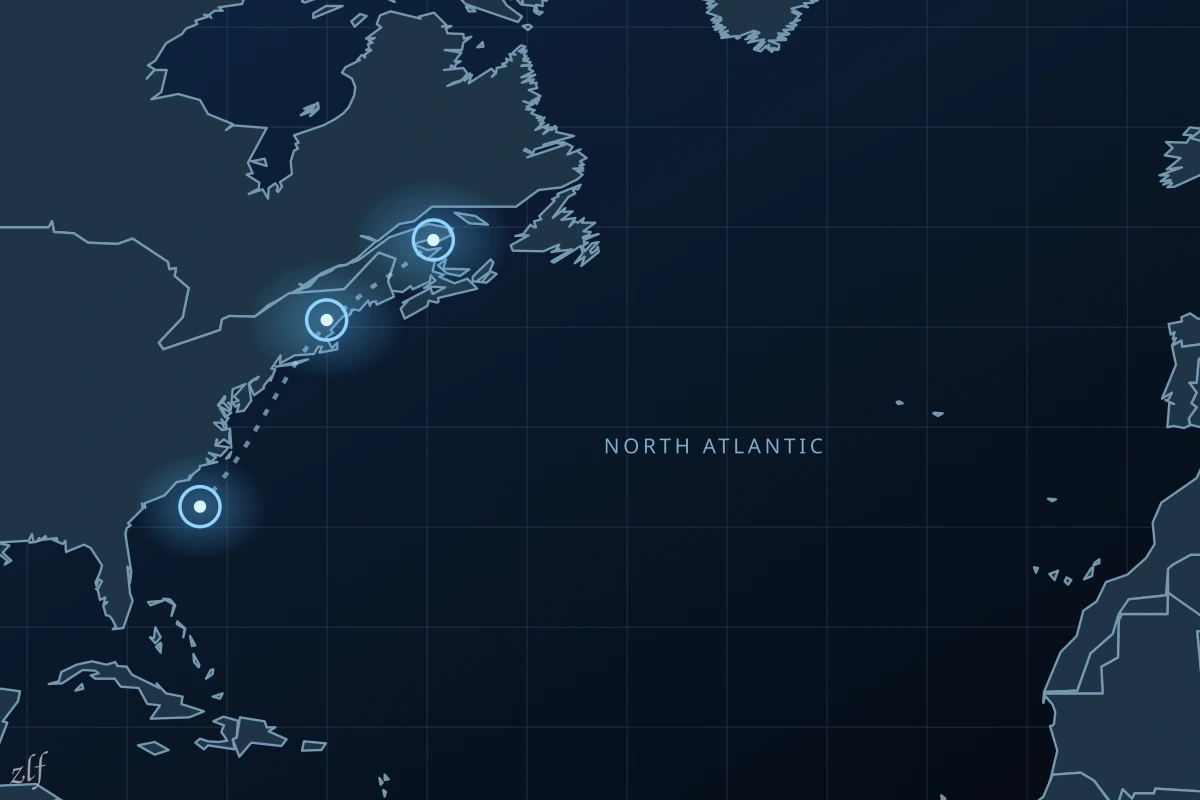
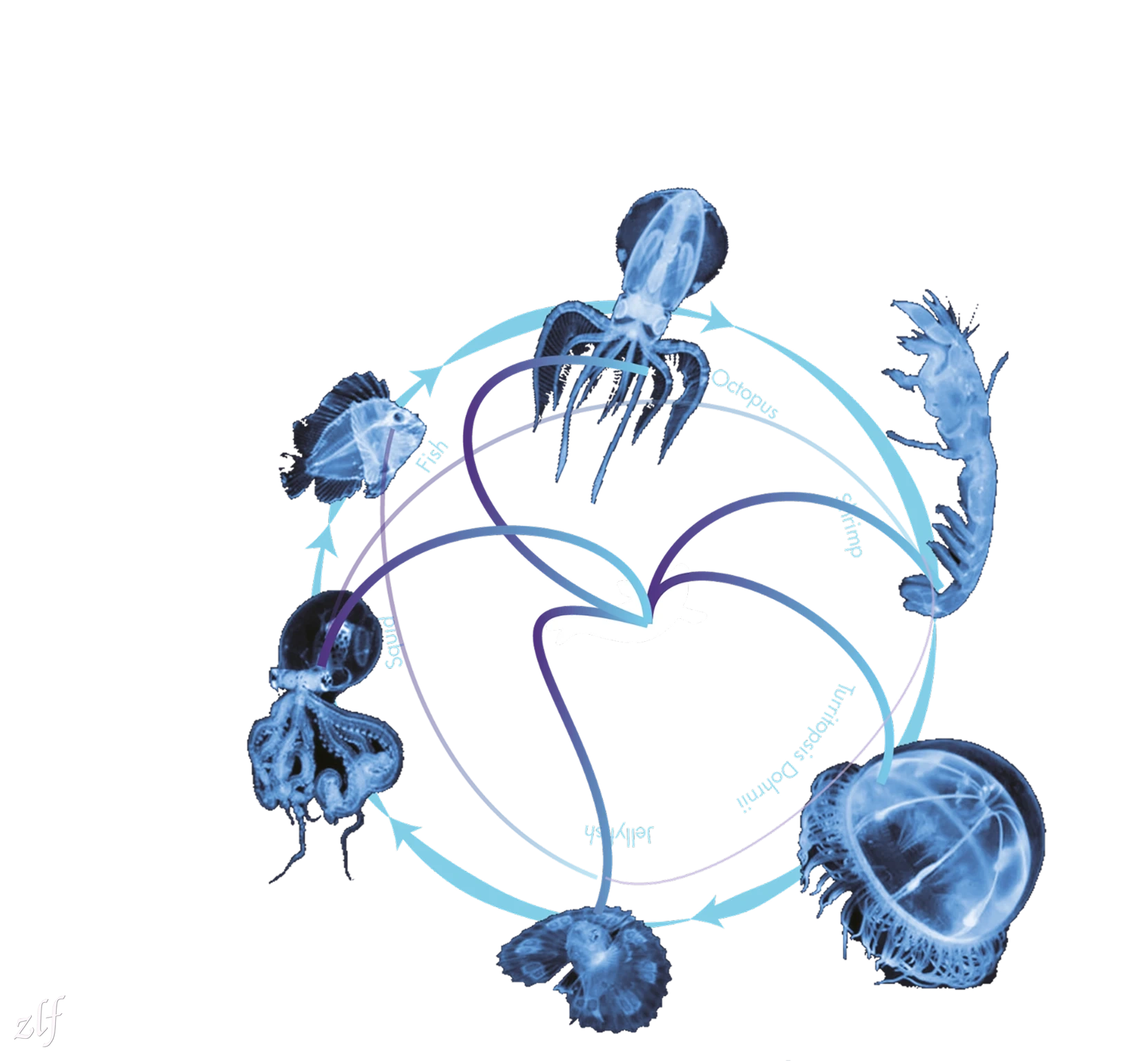
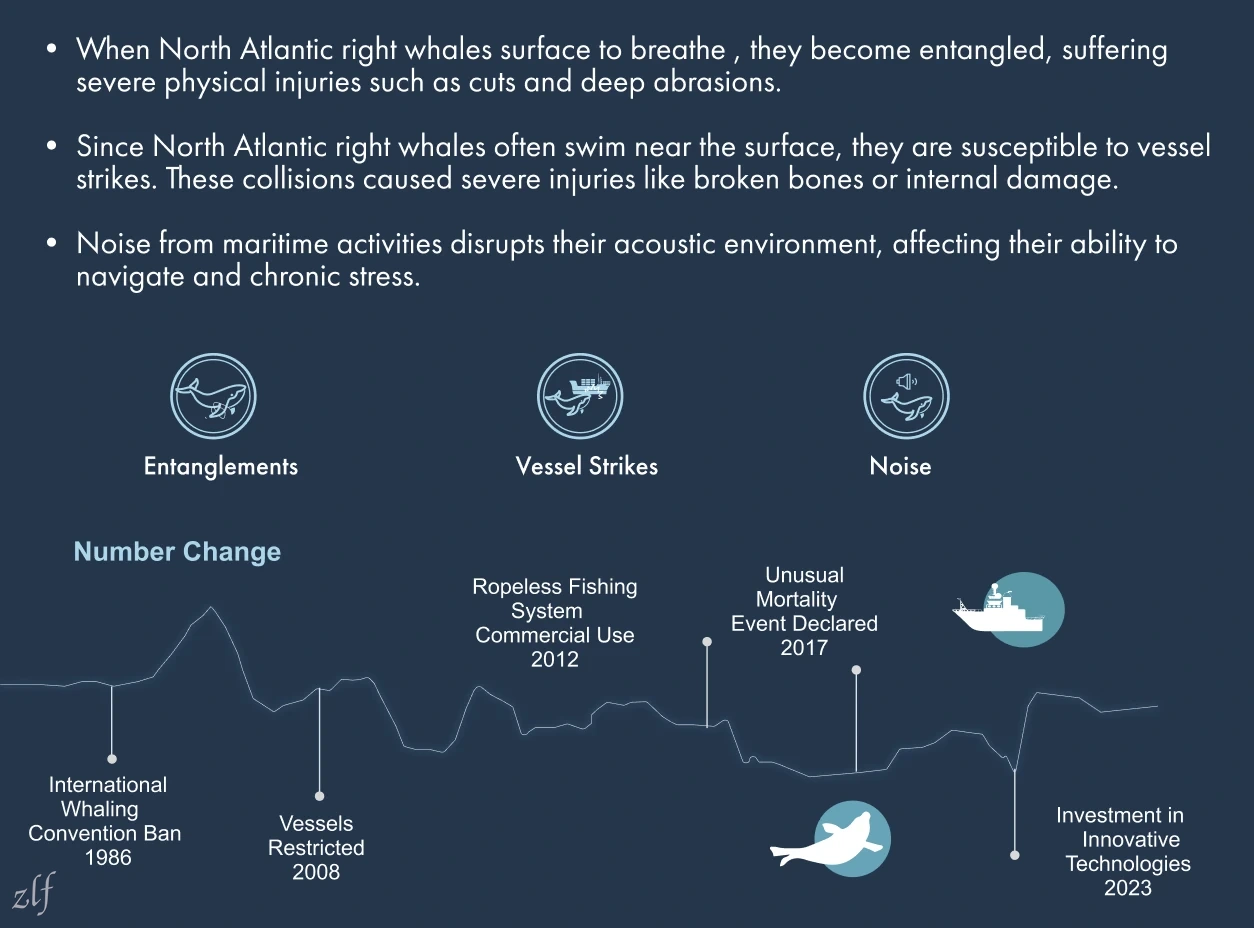
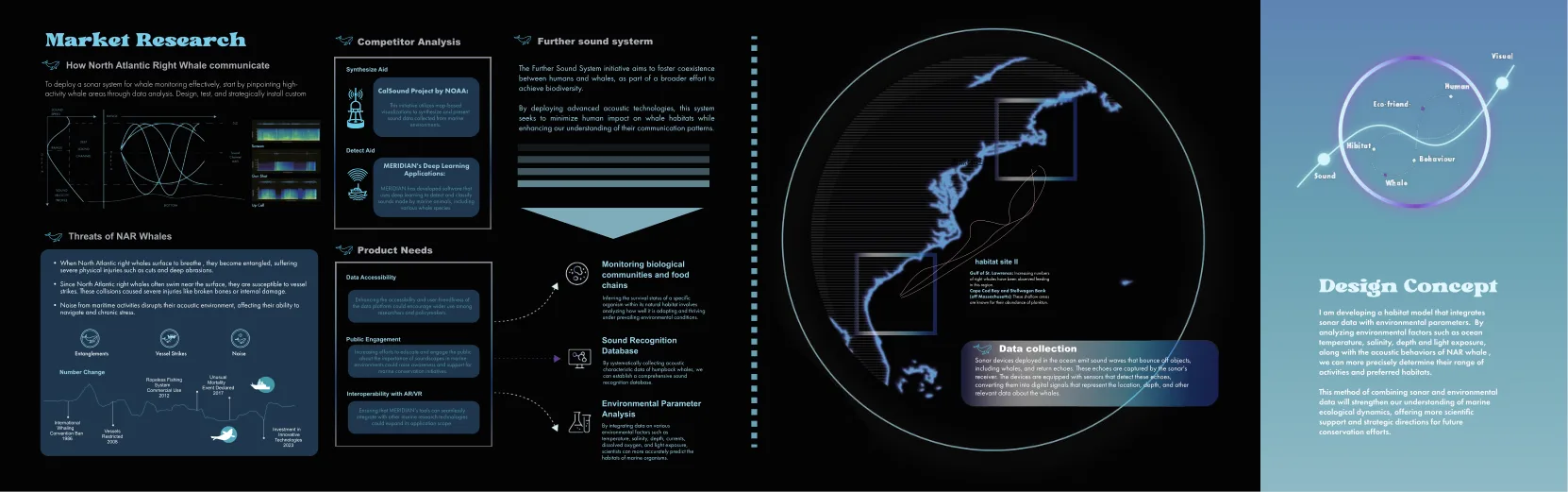
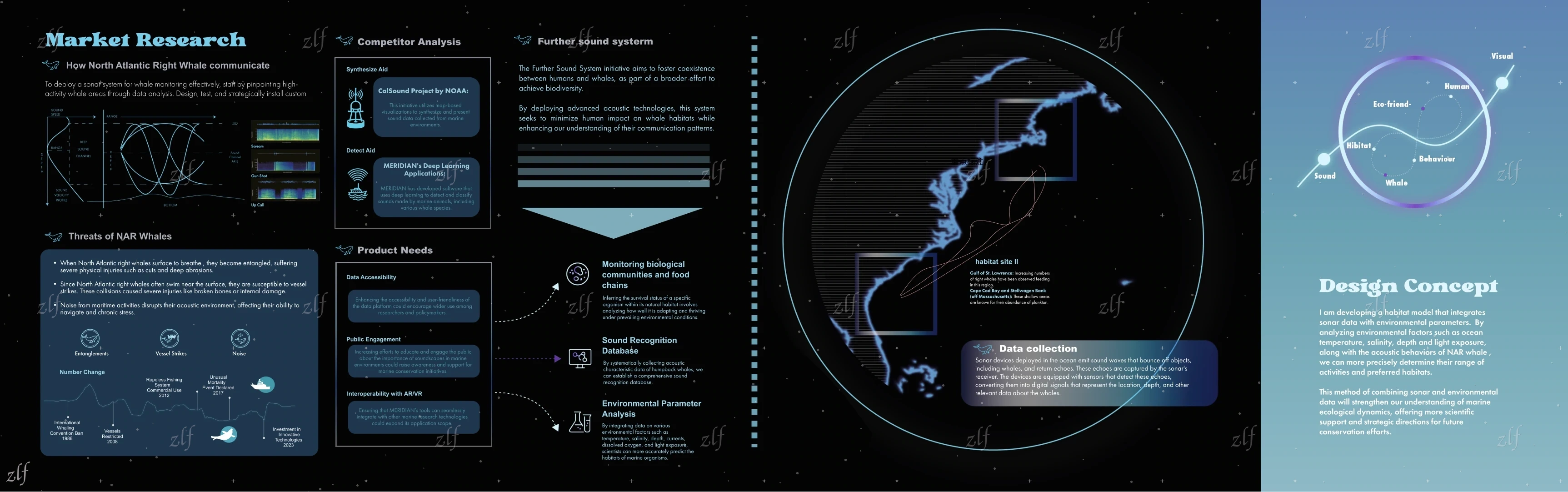
A documentary on whale conservation led me to the North Atlantic right whale and to an environment we mostly experience through sound. I looked at three pressures on its habitat: underwater noise, vessel traffic, and entanglement.
ACT II — THE INVISIBLE BECOMES VISIBLE
Listening to the Ocean.
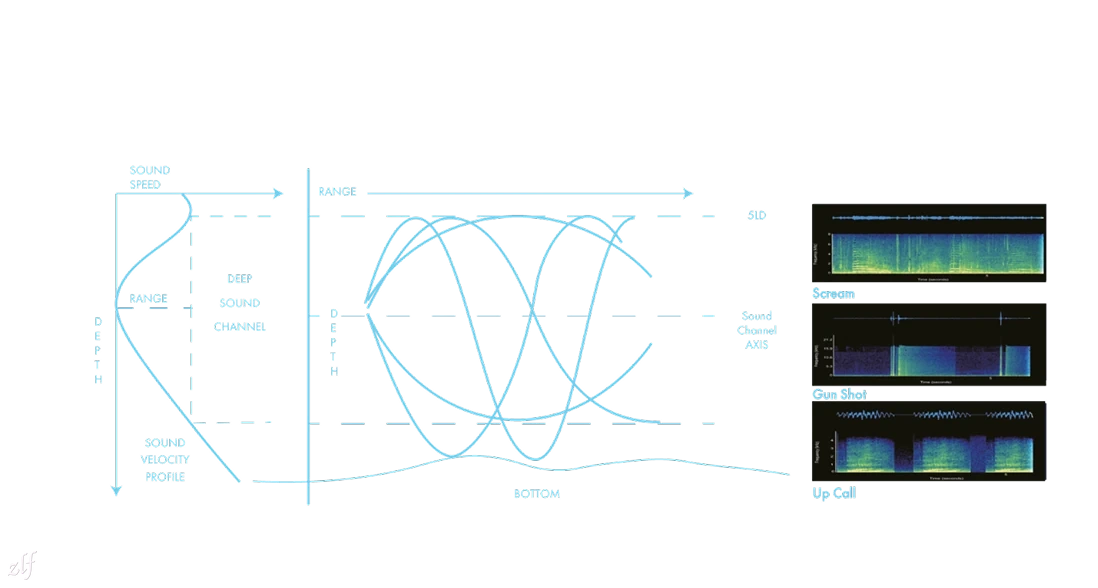
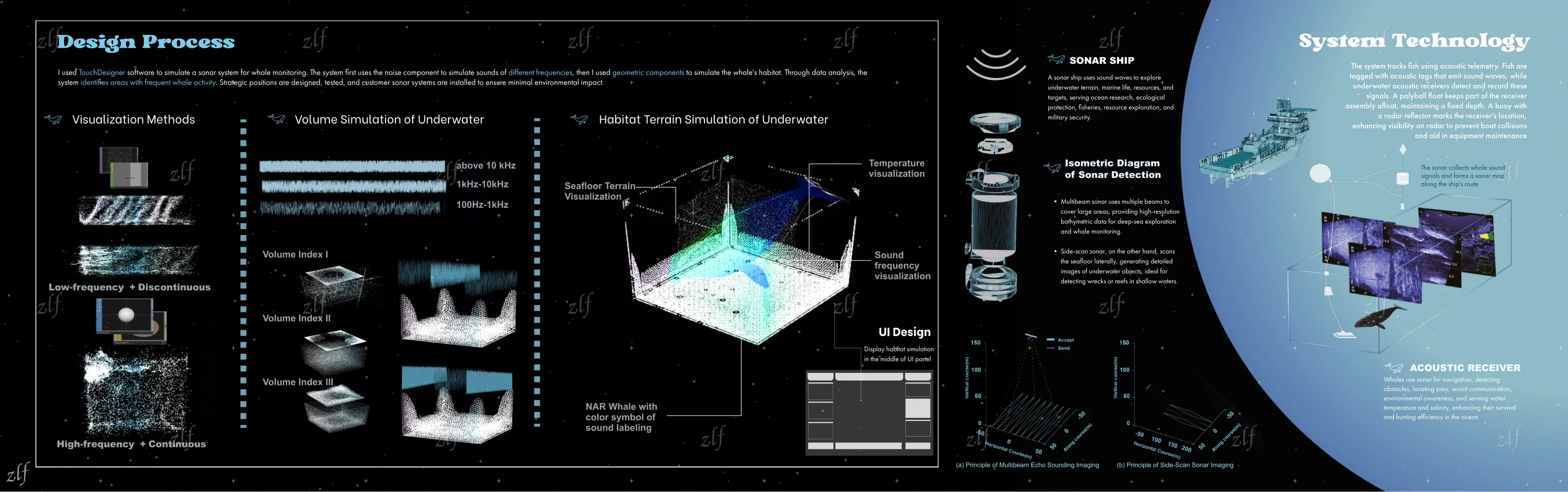
I studied NOAA’s CalSound Project and MERIDIAN’s deep learning applications as references for passive acoustic monitoring and signal analysis. My proposed system connects marine observation, habitat mapping, and public interpretation.
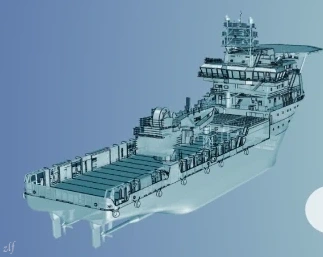
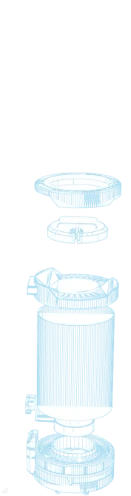
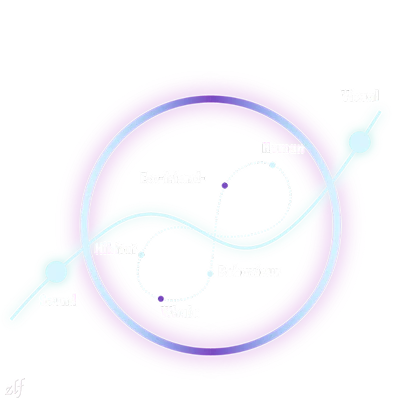
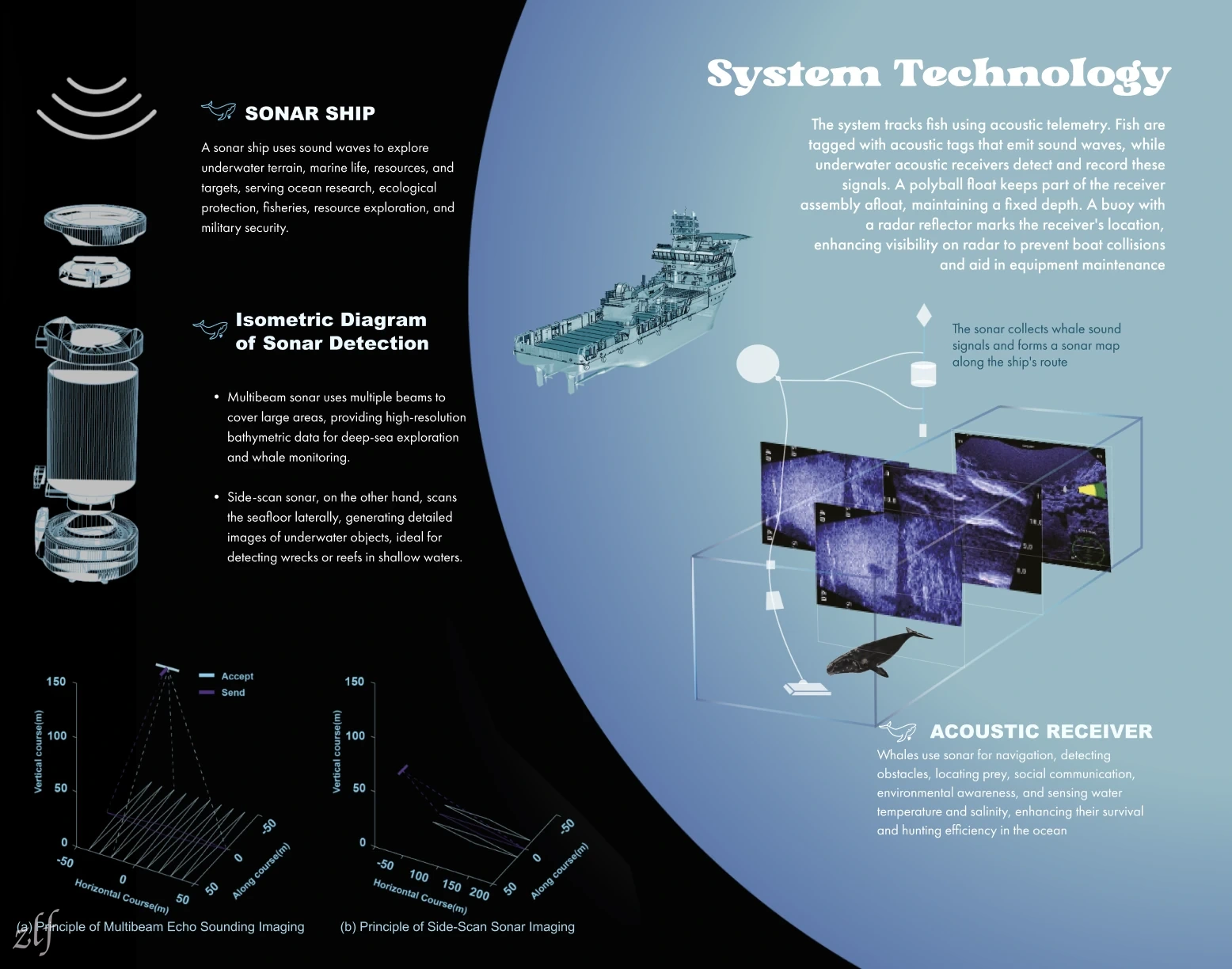
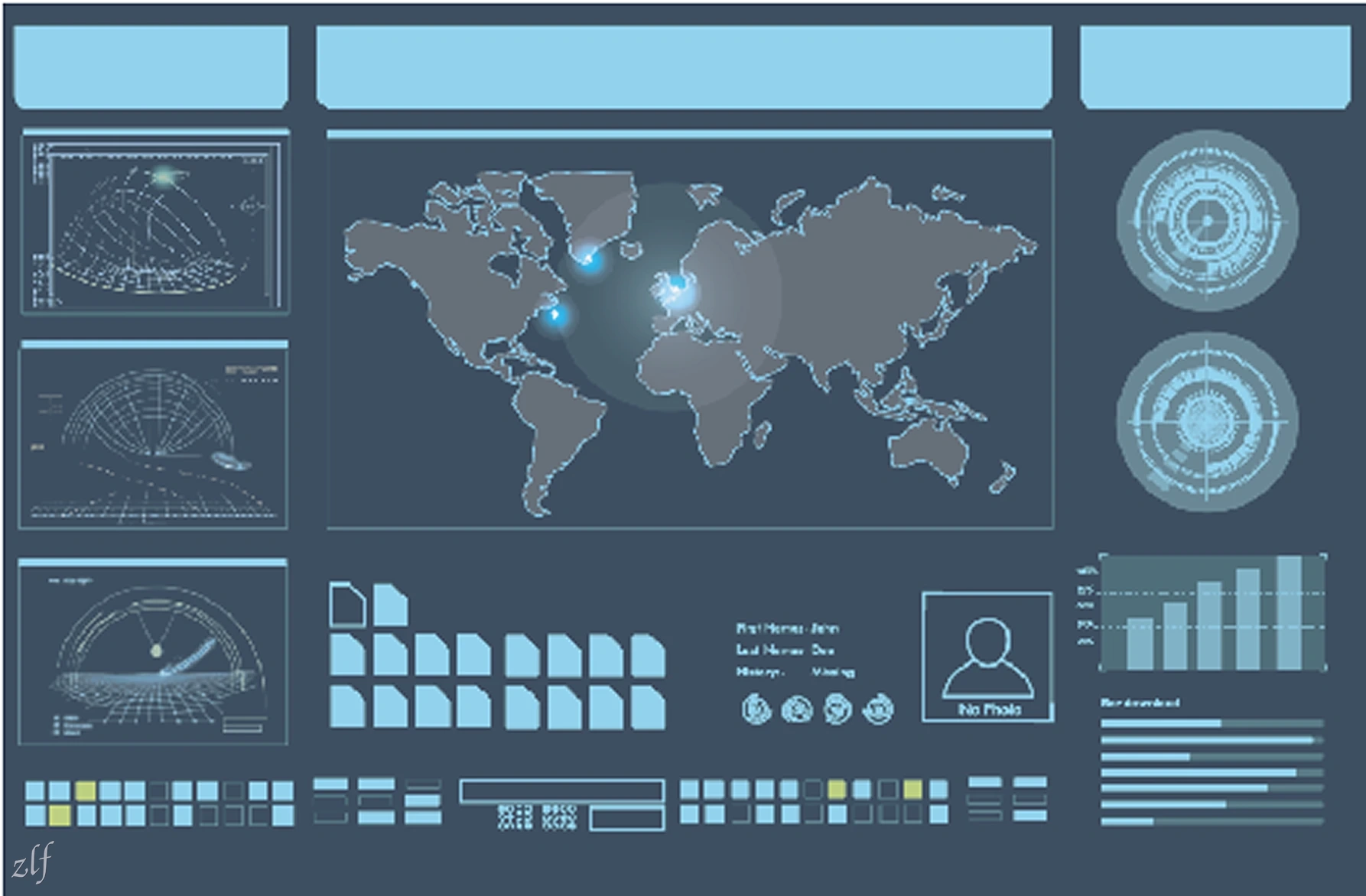
Original sonar system diagram
ACT II — THE INVISIBLE BECOMES VISIBLE
Behind the Particles.
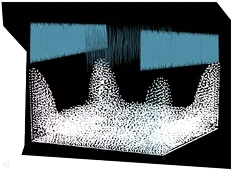
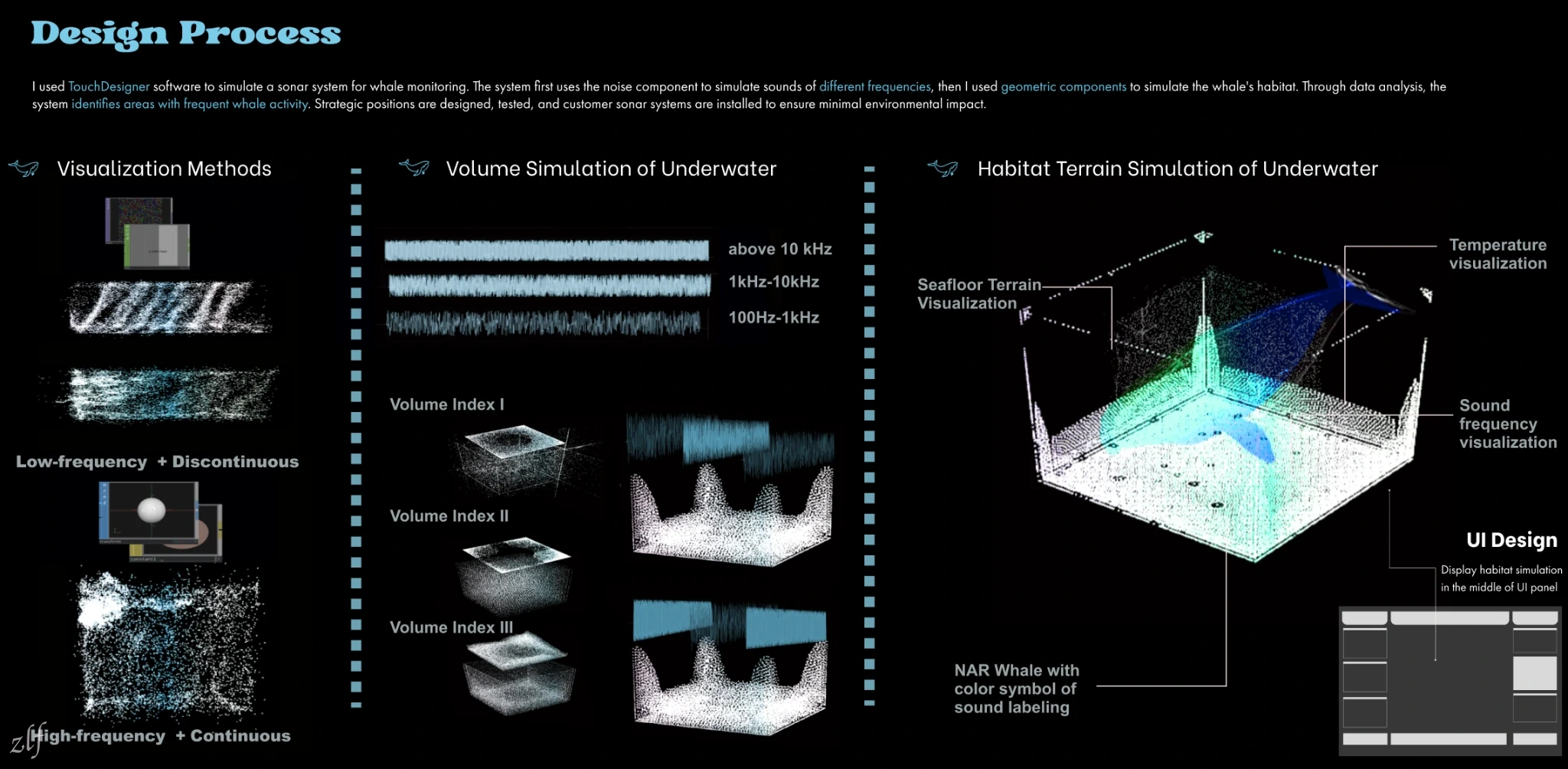
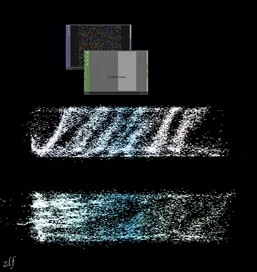
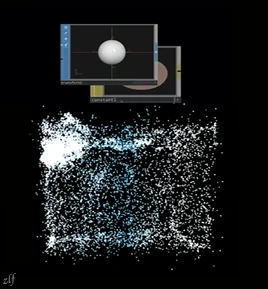
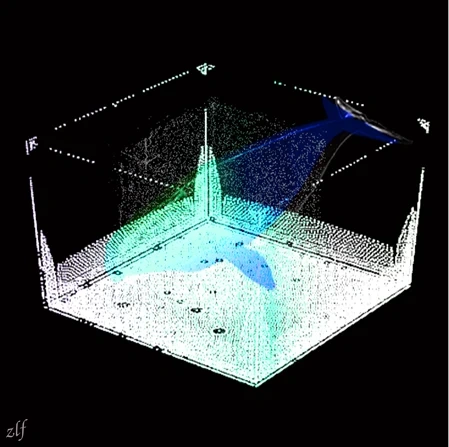
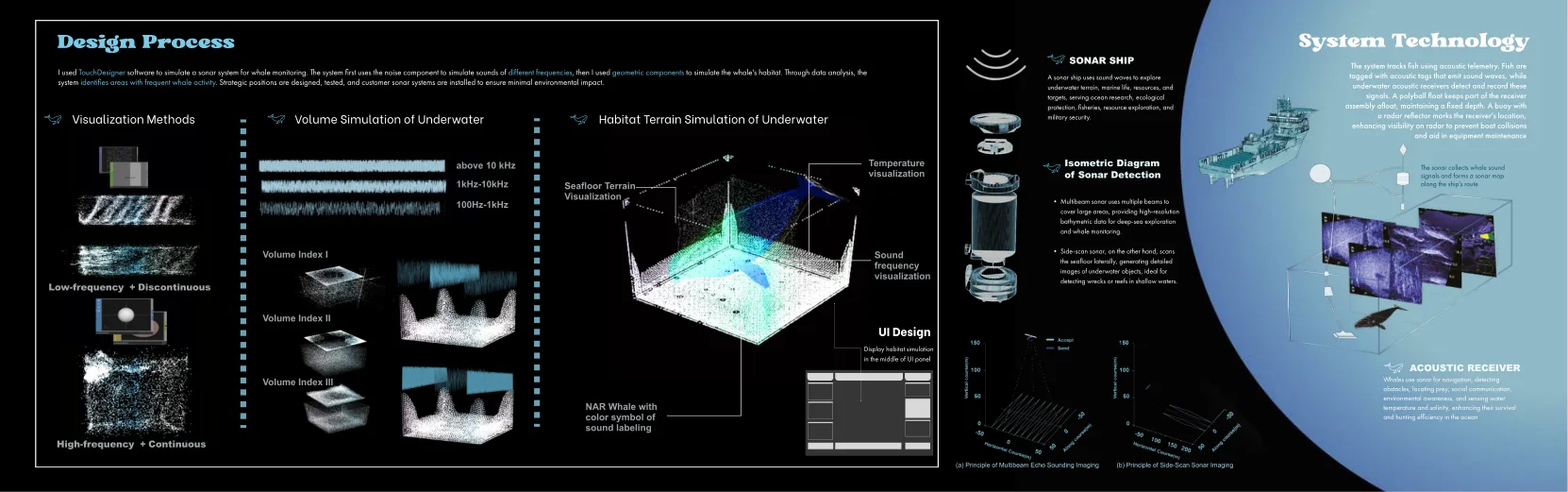
In TouchDesigner I compared frequency, volume and continuity, then used them to shape particle motion and seafloor geometry.
ACT IV — FROM DATA TO EXPERIENCE
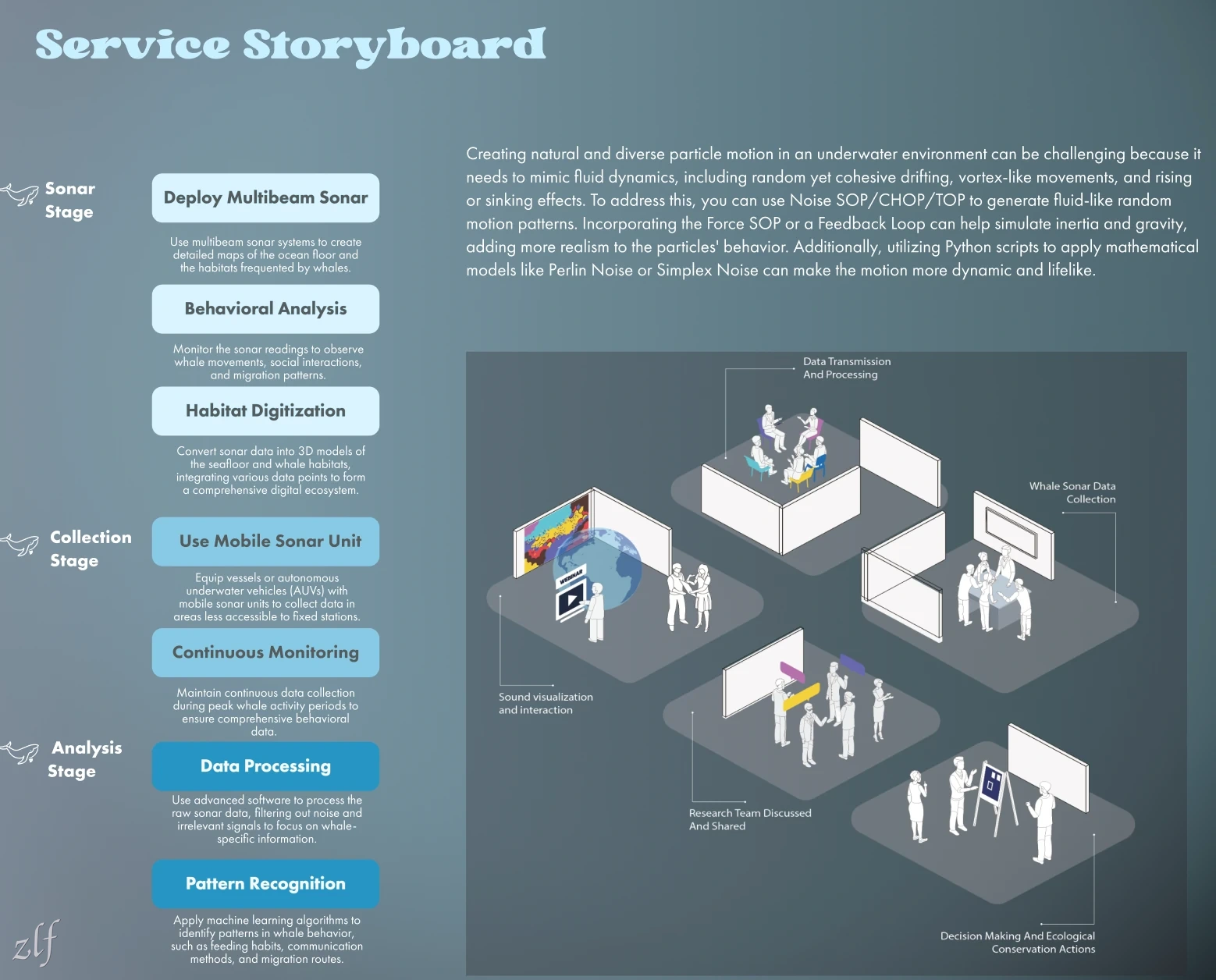
From Data to Impact.
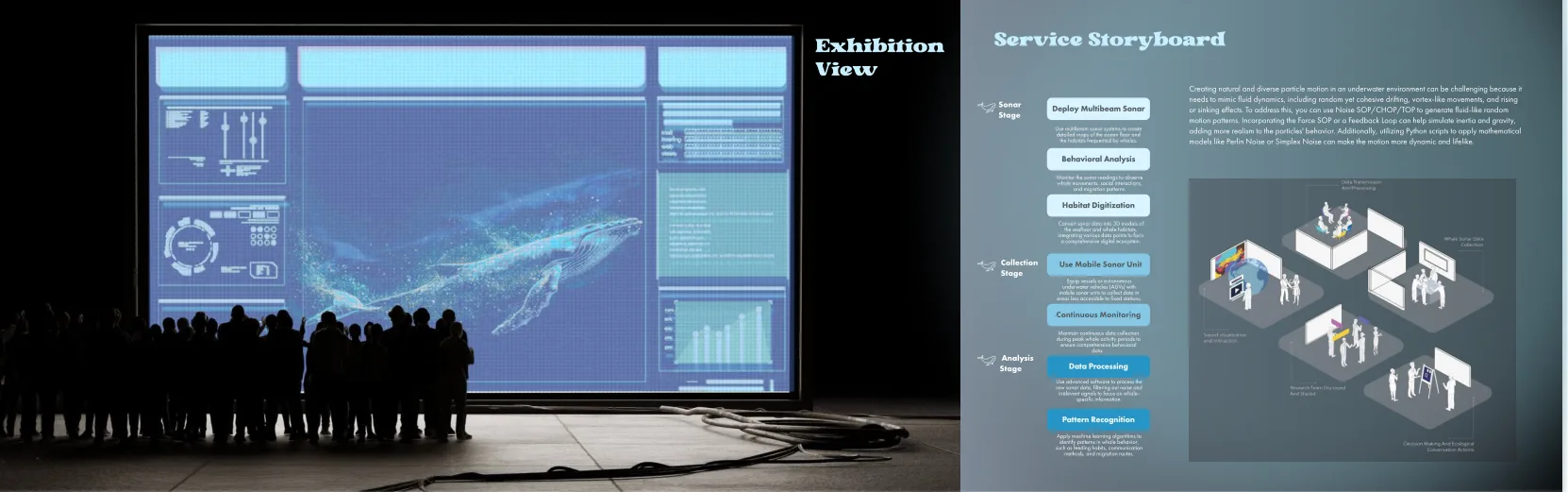
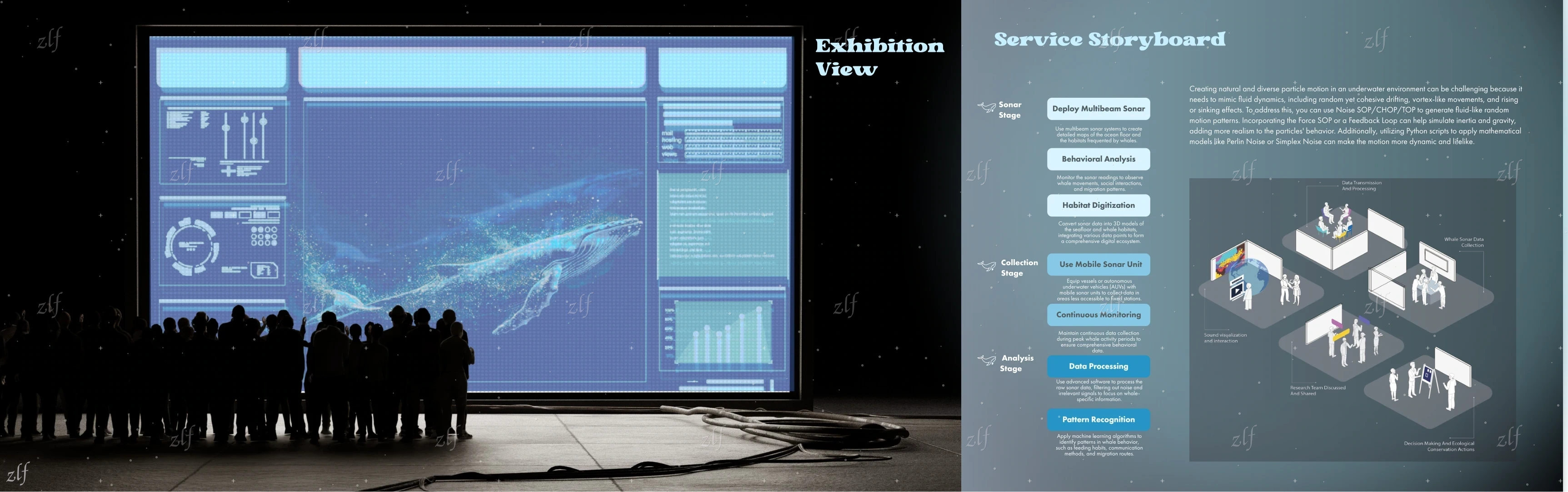
Sonar
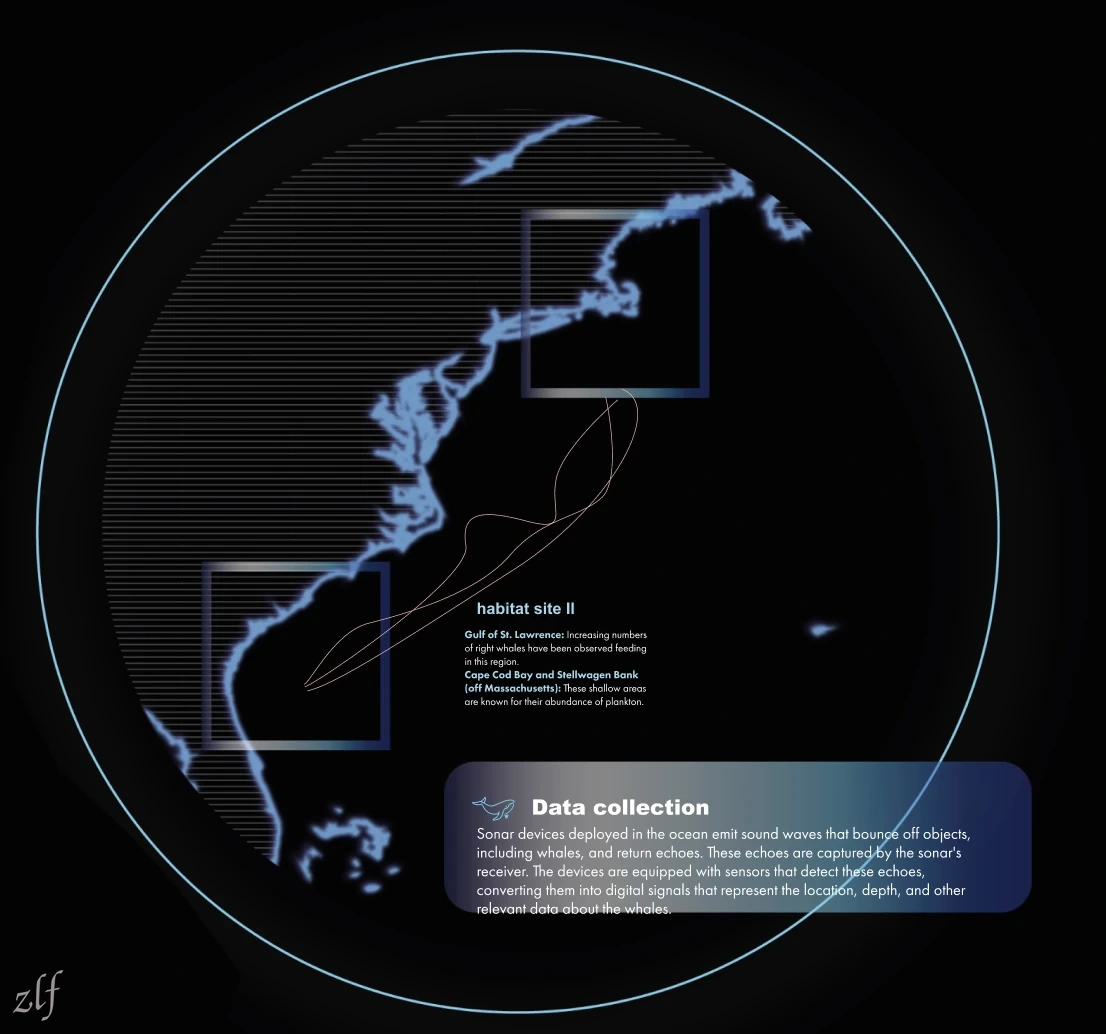
Deploy multibeam and mobile sonar, observe behavior and digitize the habitat.
Collection
Collect acoustic and environmental observations for ongoing monitoring.
Analysis
Process signals and visualize patterns for a public exhibition concept.
ACT II — THE INVISIBLE BECOMES VISIBLE
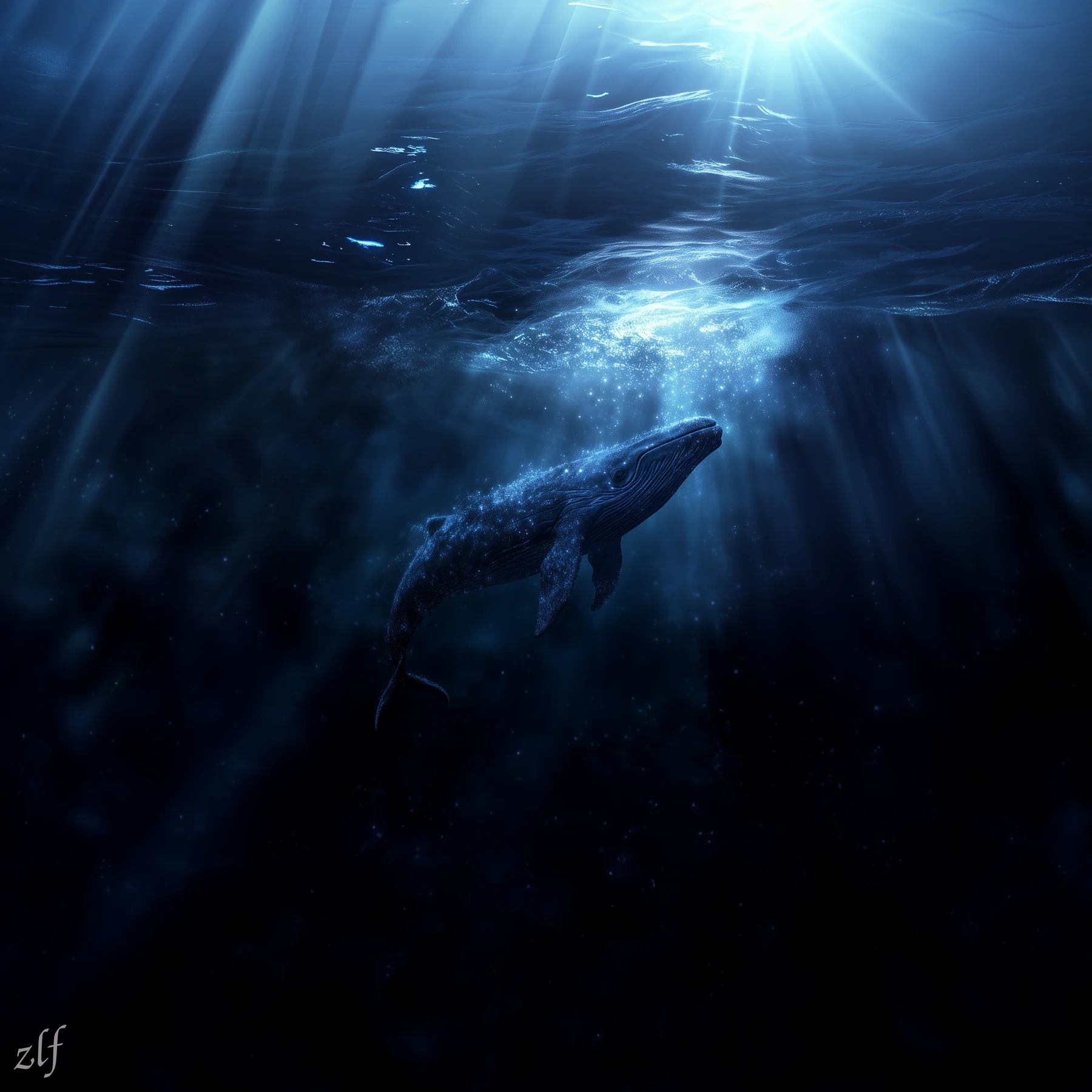
The Particle Whale.
Scroll to watch the whale’s silhouette dissolve into a field of acoustic particles.
ACT II — THE INVISIBLE BECOMES VISIBLE
Making Sound Visible.
ACT III — THE ACOUSTIC WORLD
The Acoustic Chamber.
Seafloor, temperature, acoustic pulses and whale position emerge as separate layers.
Drag the chamber to rotate it.
ACT III — THE ACOUSTIC WORLD
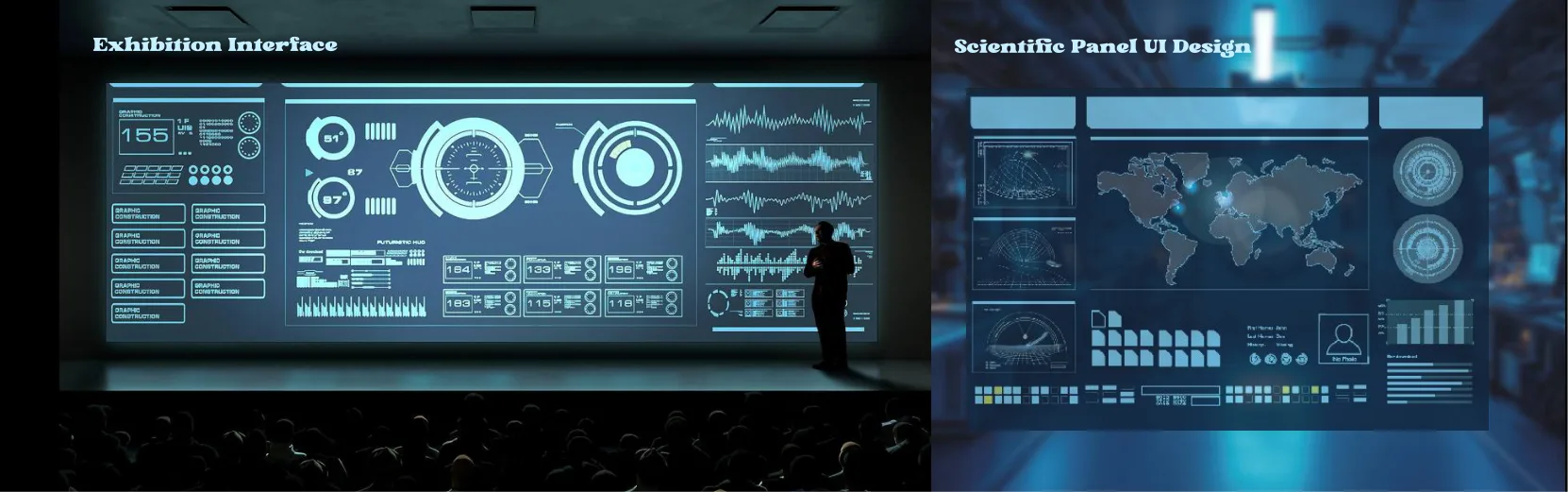
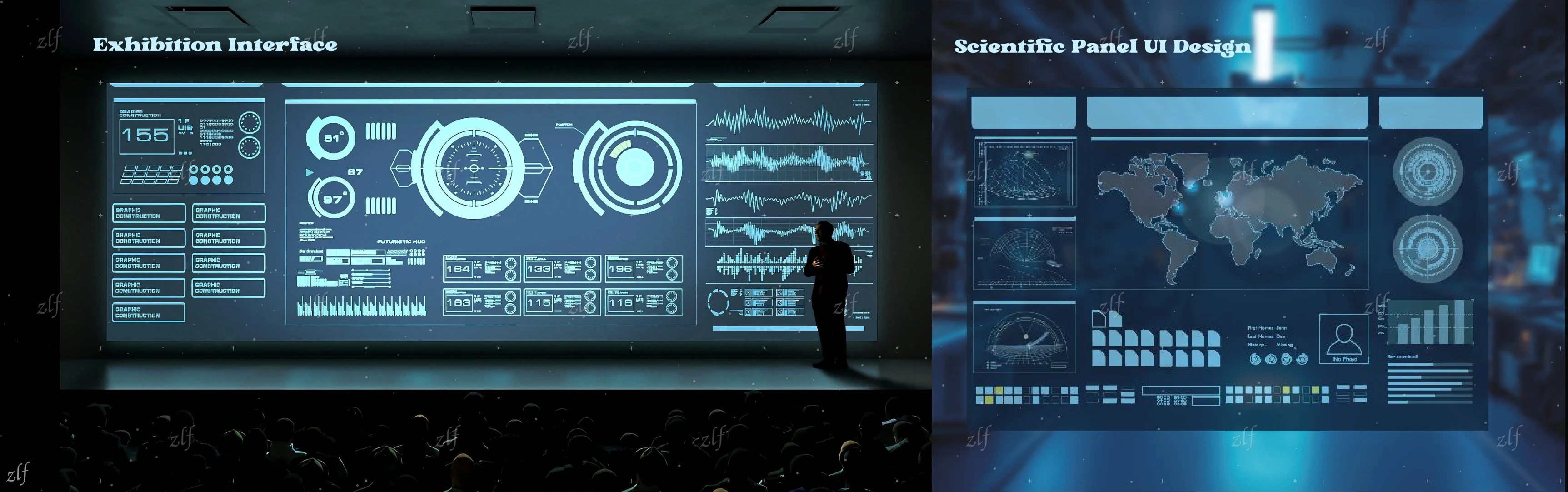
Scientific Interface.
Adjust the acoustic simulation in the central viewport of the original interface.
ACT IV — FROM DATA TO EXPERIENCE
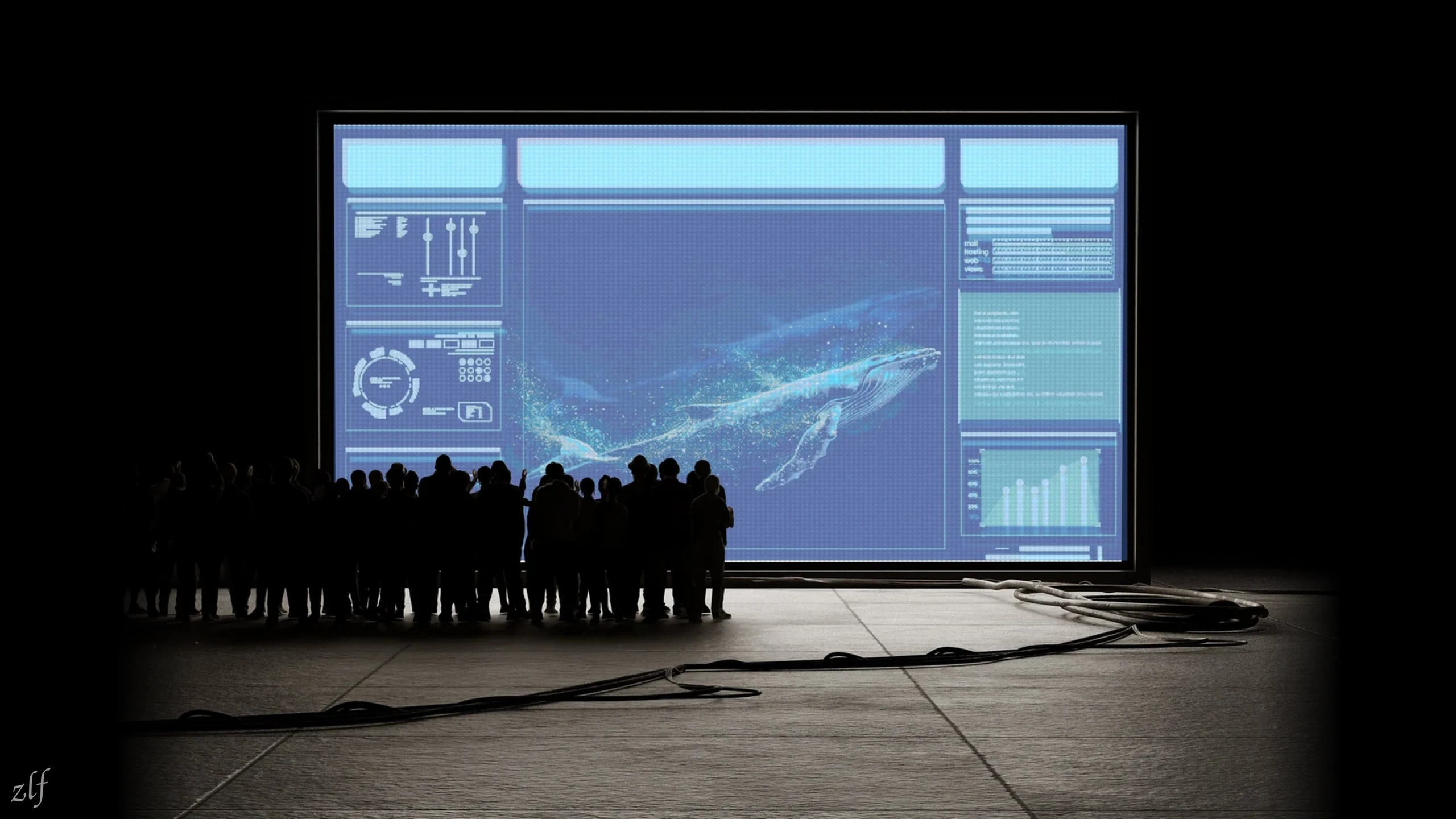
The Exhibition.
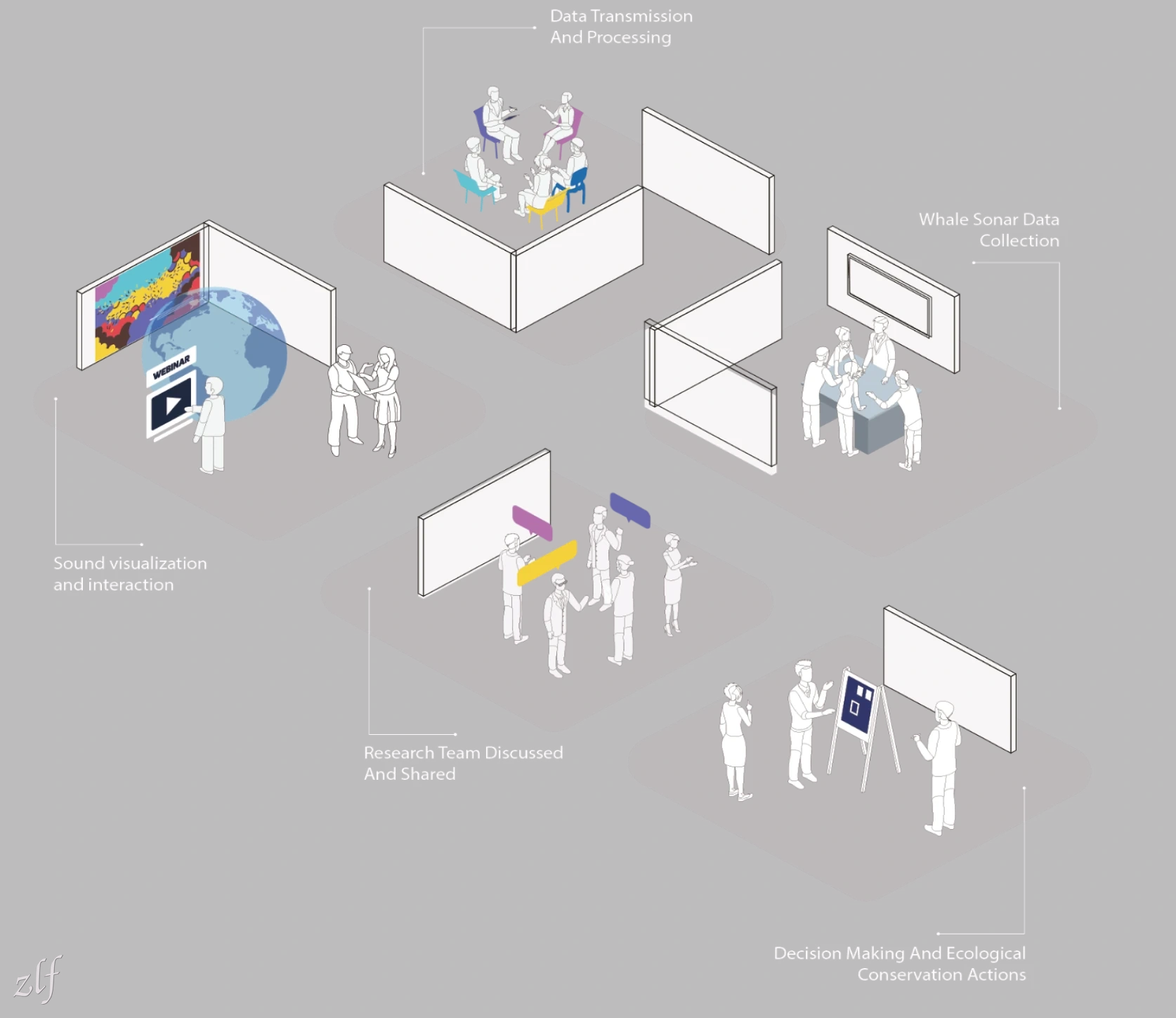
The final concept scales the acoustic chamber up to a room-sized projection.
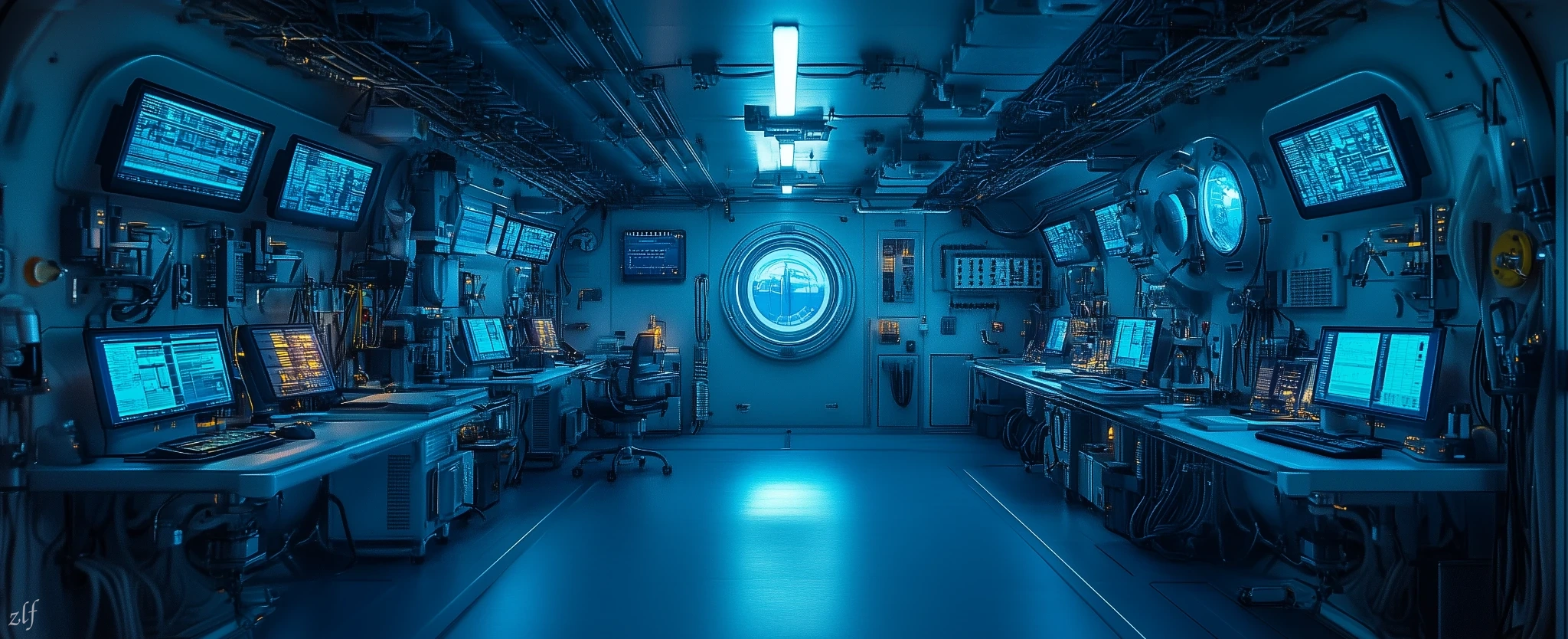
Research vessel and original interface
Inside the project.
ACT IV — FROM DATA TO EXPERIENCE
My Thoughts.
Sound of Nowhere changed the way I think about data and visual communication.
I was fascinated by the idea that something invisible, such as underwater sound, could be translated into movement, light, and space.
Through experimenting with TouchDesigner, I began to understand how technology could connect scientific information with human perception. I enjoyed exploring the relationship between sound, data, and visual expression, and discovering how these different elements could come together to create an immersive experience.
I designed this project with a conservation goal in mind: protecting the North Atlantic right whale. I’d love to see the installation realized in a public space, where people could listen to the whales’ world and learn why it needs protecting. It made me think about what interactive art could contribute to future conservation work.